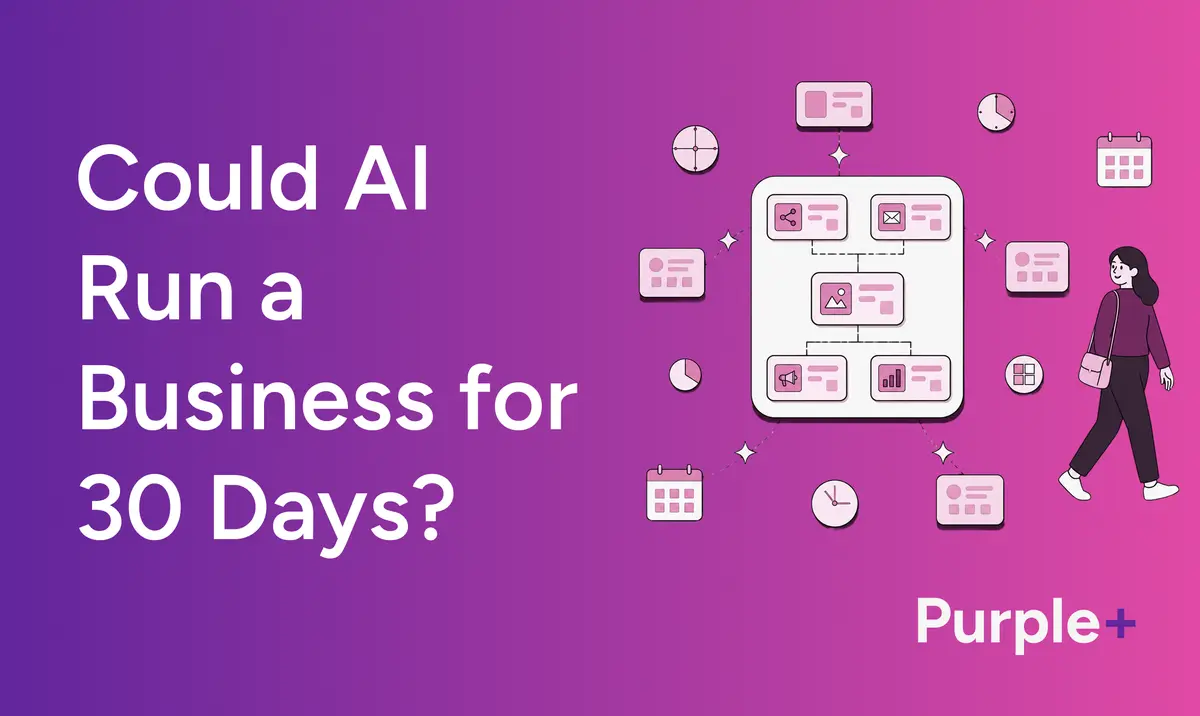
Could AI Run a Business for 30 Days?
What would happen if a business stopped manually managing its marketing for an entire month?
Not stopped marketing. Stopped managing it manually.
Social posts could still be scheduled. Email workflows could still respond to customer actions. Advertising platforms could continue optimising campaigns. AI could produce content from the information already available to the business. Reports could keep collecting performance data.
None of these is predictions about what AI might do in the future. These are capabilities already built into today's marketing technology.
That makes the 30-day scenario worth examining.
We looked at the main tasks that keep a small business's marketing moving and asked a simple question: how much of that work can already be handled by software without someone having to carry out each step manually?
The answer reveals something more useful than another debate about whether AI will replace marketers.
Social Media Can Run on Autopilot
If nobody touched the company's social media accounts for 30 days, the feeds would not suddenly stop.
Content scheduled before the 30-day period would continue to be published at the configured times. Modern social media management platforms are designed to handle this exact task: posts can be prepared in advance, organised into publishing schedules and distributed automatically to connected accounts.
But the more interesting part is what can happen after the original content has been prepared.
AI-powered tools can now help create new social content, rewrite existing material, and adapt posts for different channels. This means the 30-day operation doesn't have to consist only of a queue of posts prepared on Day 0. Content production itself can be incorporated into a wider workflow, using the company's existing information, content plans and instructions.
The platforms also continue collecting performance data while nobody is there. Reach, engagement, clicks, and other available metrics accumulate throughout the month, creating a record of what happened during the team's absence.
So, by Day 30, the company would not simply find an empty social media calendar. It could find 30 days of published content, customer interactions, performance data and completed automated activity — all generated while the marketing team was away.
There is a clear boundary. A system cannot be expected to respond correctly to an event it was never configured to handle. A major product change, crisis or unexpected customer issue may require a human decision.
The absence of a marketer does not automatically stop social media activity. Much of the routine operation can continue because publication, content workflows and data collection no longer depend on someone being present at the exact moment they happen.
Emails Can Handle the Routine Automatically
Email is particularly relevant to the 30-day question because much of its activity is triggered by events rather than by a marketer being present.
A subscriber joins the mailing list; a welcome sequence starts. A customer places an order; a follow-up can be triggered. A lead completes a form; they enter a nurture sequence. A scheduled campaign reaches its send time, and the system delivers it.
Those actions are designed to happen automatically.
That means the business could enter the 30-day period with more than a collection of emails waiting to be sent. It could have workflows responding to customer activity throughout the month.
AI expands what can happen inside those workflows. Current email marketing systems use AI for tasks such as generating and refining copy, suggesting subject lines, creating variations and assisting with audience segmentation. The technology can therefore contribute to both campaign preparation and the execution of the workflows that deliver them.
This matters because customer activity does not stop when the marketing team is offline.
People can still subscribe, purchase, click, return to the website or enter a campaign during those 30 days. The automated system can continue processing those events according to the rules the business has already established.
By Day 30, the email operation could therefore have generated activity that was never manually initiated during the month: triggered messages sent, sequences progressed and customer actions recorded.
Automation still has limits. If the business changes its offer or needs to respond to an unexpected situation, the existing workflows may need to be changed. But that is a question of changing the system, not keeping it running.
Content Can Be Produced Without Daily Input
Content is often treated as the part of marketing that would stop first without a team. But the 30-day scenario changes the question.
The issue is not whether AI can produce text. It is whether the content operation can continue producing useful material when nobody is there to create every piece manually.
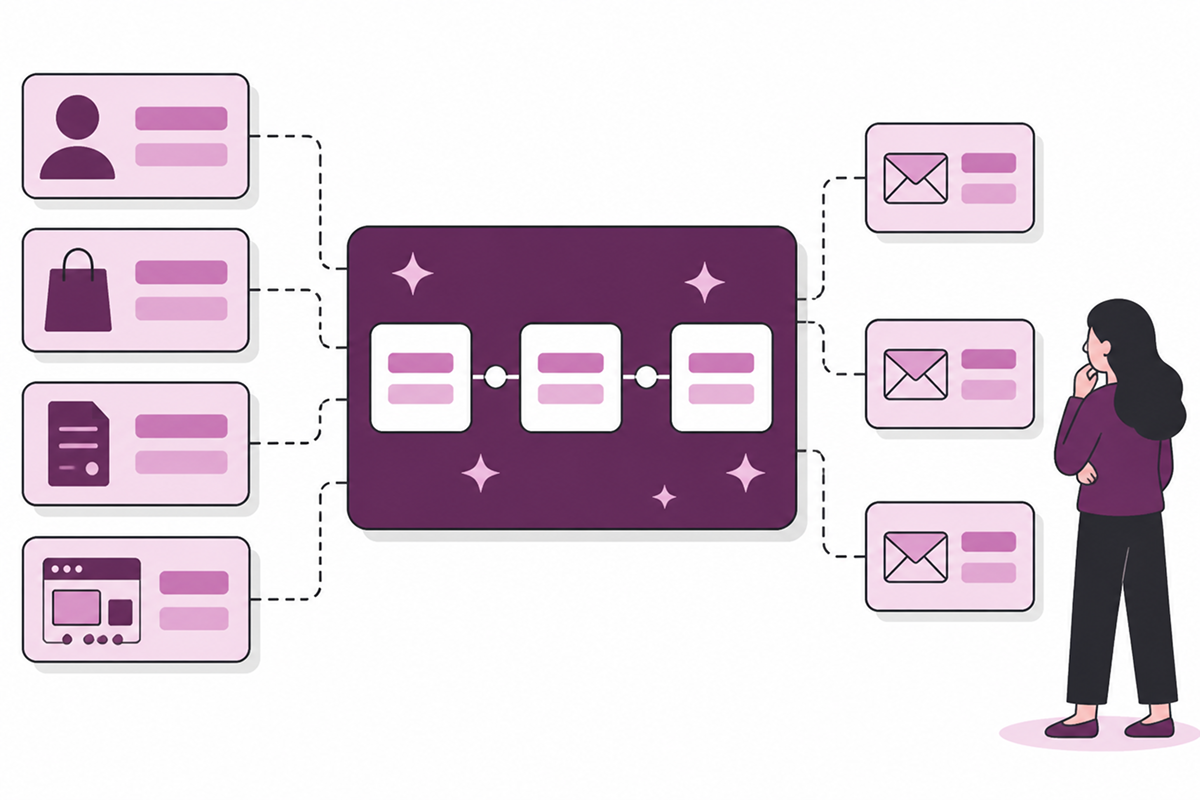
A business entering the 30-day period could already have an editorial calendar, product information, previous content, brand guidelines, customer questions and approved topics. AI tools can use this existing material to generate drafts, rewrite content, create variations and adapt material for different channels.
That means content production doesn't have to start from zero every morning.
An existing article can become several social posts. A customer question can become a new piece of content. Product information can become campaign copy. Previous material can be updated rather than recreated.
The important point is that AI is not being asked to invent the company's knowledge.
It is working with information the business has already created.
That also matters for search. Google's guidance on AI-generated content focuses on the usefulness and originality of the result, rather than treating the use of AI itself as the problem. Content produced automatically still needs to provide value and meet quality expectations.
For the 30-day scenario, that means a business can build a content workflow around existing knowledge, defined topics and clear instructions, then allow AI to handle a significant part of the production process.
Advertising Can Run Without Constant Oversight
Paid advertising is one of the clearest examples of how much routine marketing work has moved into software.
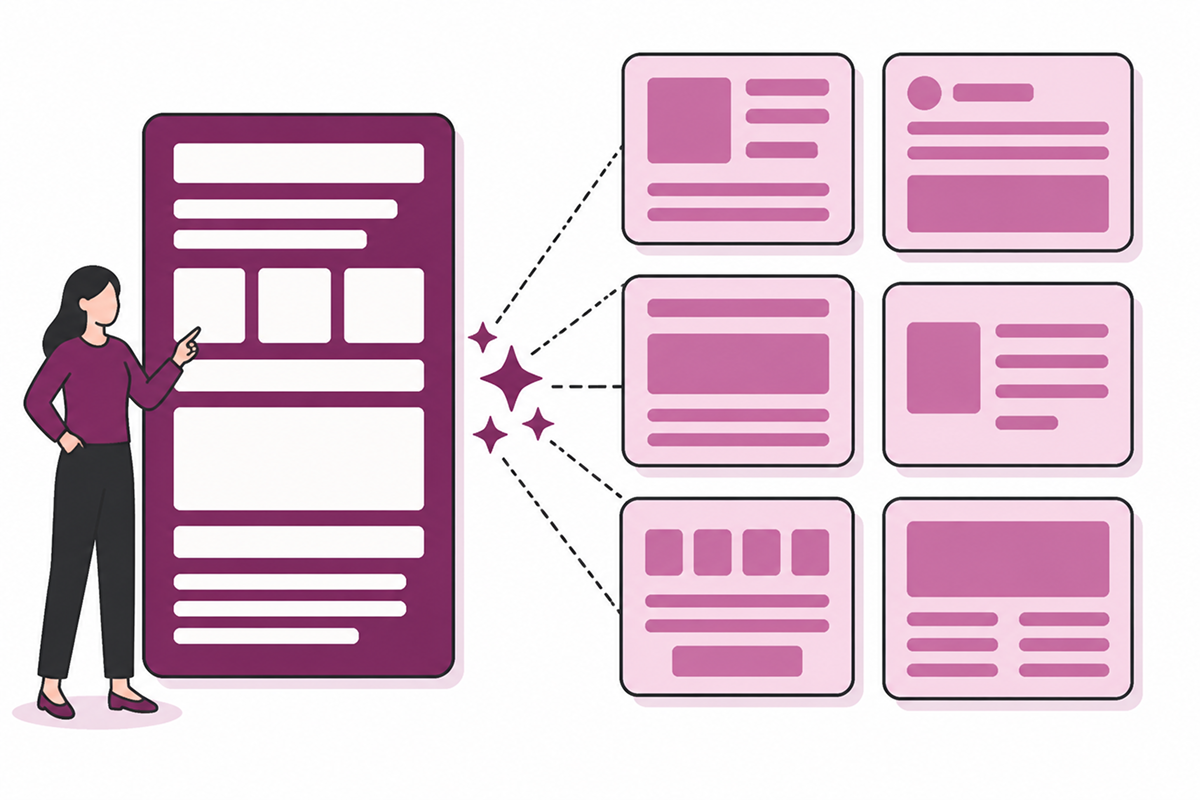
Google Ads and Meta Ads already use automated systems to manage campaign delivery and optimisation based on objectives, budgets and performance signals. Advertisers can also use AI-powered features to create advertising assets and support campaign setup.
That means a campaign does not depend on a marketer manually adjusting every setting throughout the day. Once its objectives, budget, targeting and creative are configured, the advertising platform can continue managing delivery according to those parameters.
This is particularly significant for small businesses.
A person does not need to spend hours checking individual bids, placements or audience segments simply to keep an active campaign operating. Much of that work has already been absorbed into the platforms themselves.
AI is extending this further by taking on parts of campaign creation and optimisation that previously required more manual input.
But there is an important boundary.
An advertising platform can respond to what is happening inside the campaign. It can identify changes in clicks, conversions, costs and other measurable signals. It does not automatically know what is happening inside the business.
If a company changes its pricing, runs out of stock or changes its commercial priorities, the advertising strategy may need to change too. That requires information and decisions that sit beyond the campaign data.
This does not make automation less useful.
It shows where its value is strongest: software can manage the continuous mechanics of advertising while people focus on the business decisions that determine what the advertising should achieve.
Reporting Keeps the Data Flowing
Reporting is one of the least human-dependent parts of marketing because the underlying data is generated automatically.
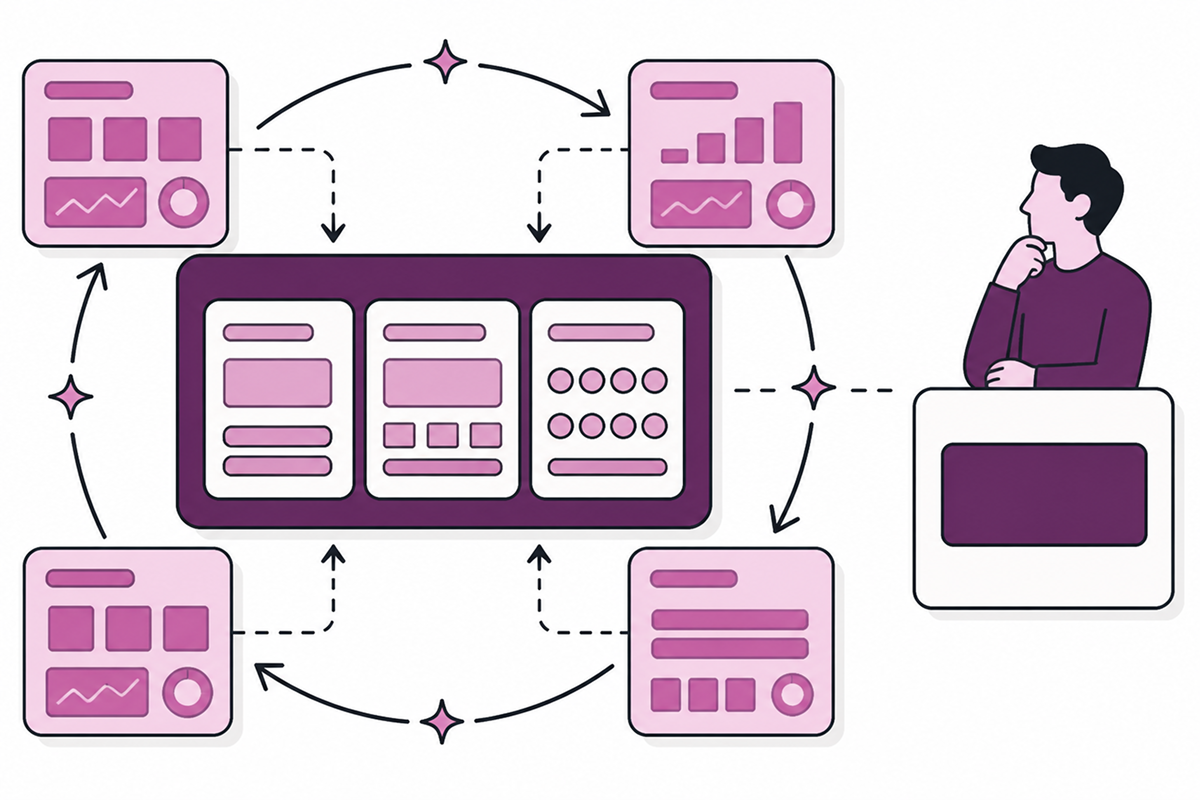
Advertising platforms record spend, clicks and conversions. Websites collect traffic and conversion data. Email systems record sends, opens and clicks. Social platforms collect engagement and reach data.
None of that requires someone to manually create a report every day.
Analytics and marketing platforms can collect this information continuously, while automated reporting can bring selected metrics together and surface performance changes. AI can also help summarise the data and identify notable movements.
This changes what happens when the people responsible for reporting are not there.
The business does not lose its record of what happened. Data continues to accumulate.
If traffic changes, the system records it.
If an advertising campaign generates fewer conversions, the performance data reflects it.
If an email receives unusually high engagement, the system captures that too.
The system can show what happened. It does not automatically establish the business reason behind every change.
That is an important distinction, but it is also the point of automated reporting. Its job is to keep the information available rather than require someone to spend hours collecting it manually.
For a business using connected analytics and reporting tools, the marketing operation can continue producing a performance record even when nobody is actively compiling one.
The report does not need a person to exist. The business needs a person to decide what the report means and what to do next.
Connecting the Marketing Operations Is the Real Challenge
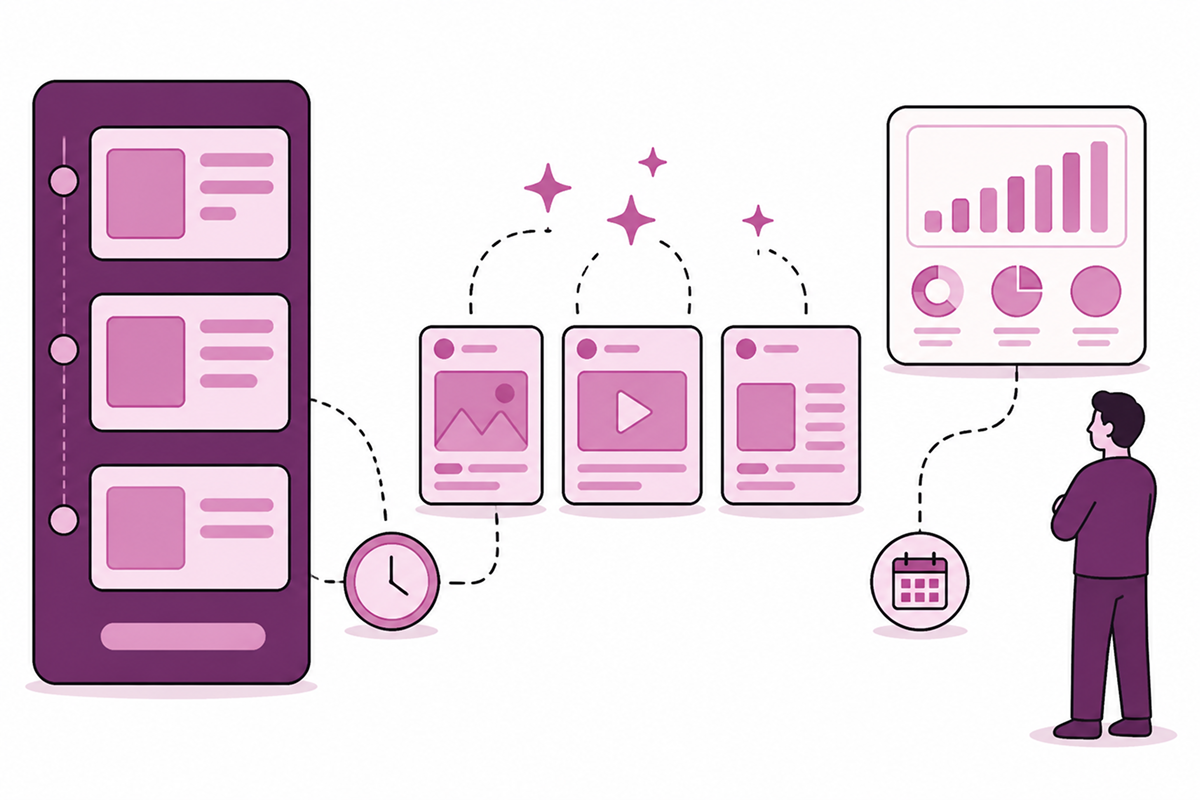
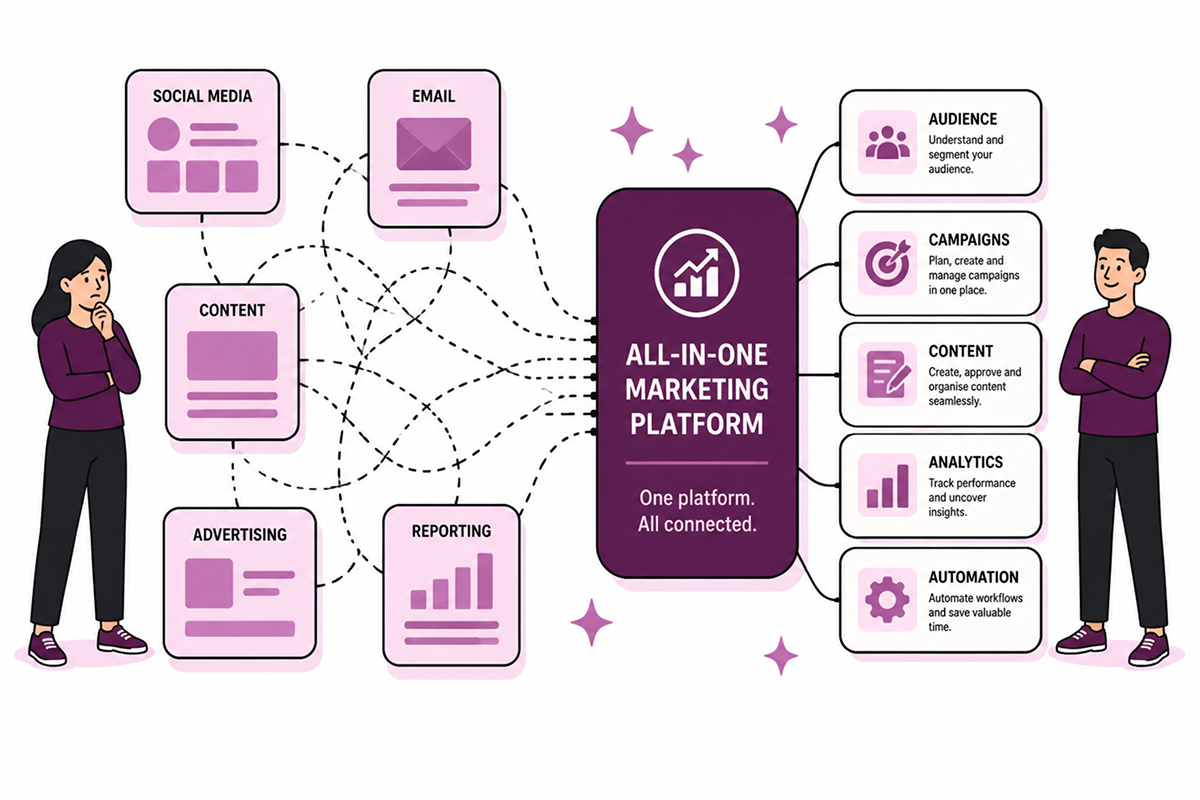
Social publishing can be automated. Email can respond to customer actions. Content can be generated from existing material. Advertising platforms can optimise campaigns. Reporting can collect data continuously.
The harder problem is making all of those processes work as one marketing operation.
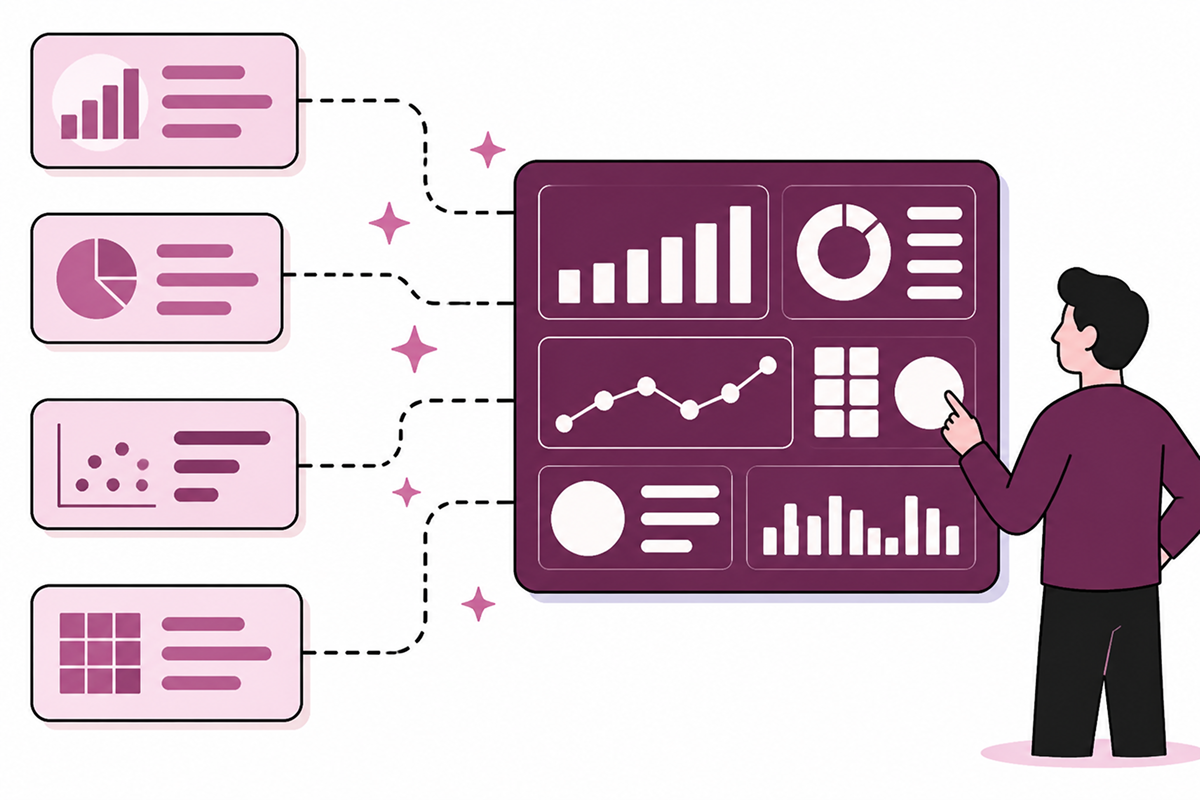
A campaign rarely belongs to one channel. A new product might require a website update, social posts, an email campaign, new advertising creative and a way to measure the results. If each activity is managed in a different system, someone has to keep the information aligned.
That coordination creates work of its own.
A business can automate almost every individual marketing task and still have a very manual operation. Social media might run in one platform, email in another, SEO somewhere else, and advertising somewhere else again. Marketing software for small businesses can bring these activities together and reduce that manual coordination.
That becomes particularly important when several channels are part of the same campaign. A change to an offer, for example, may affect the website, email, social content and advertising at the same time. If those activities are managed separately, someone still has to make sure the changes reach every relevant channel.
An integrated marketing platform approaches the problem differently by keeping several of these functions within the same environment. Purple+ brings together social media management, advertising, SEO, email marketing, website optimisation, automation, and reporting, so the activities don't have to be managed as completely separate pieces.
The value isn't simply having more features in one place.
It is reducing the number of manual connections between them.
When Marketing Runs Without Daily Management
The individual pieces can keep working. The more revealing question is what the business actually looks like after several weeks without someone manually coordinating them.
Social content continues to publish. Email workflows continue responding to customer activity. Advertising platforms continue processing campaigns within their settings. Content workflows continue producing material from the information they have been given. Reporting continues collecting performance data.
The business is still marketing.
What changes is the amount of manual work required to keep routine activity moving.
Instead of a marketer starting each action, checking each channel and transferring information between systems, software handles a growing share of those operational steps. The human role shifts towards the points where the system needs new information, a change in direction or a decision outside its existing rules.
That is where the 30-day thought experiment becomes useful.
It does not demonstrate that AI can run a business independently. We have not conducted such a test, and current technology does not justify making that claim.
It demonstrates something more concrete:
A business can already automate enough of its marketing activity that the absence of constant manual management does not mean the marketing stops.
And as AI capabilities continue to develop, the amount of work that can be delegated to software is expanding.
How Much Marketing Can Run Without Daily Management?
The question is no longer whether individual marketing tasks can be automated. Current tools already handle many of them.
The more useful test is what happens when nobody is manually managing those tasks every day.
Social content can continue through scheduled workflows. Customer emails can be triggered by behaviour. Advertising platforms can continue optimising campaigns against defined objectives. Content workflows can keep producing material from approved information. Reporting can continue collecting performance data.
That does not make the marketing operation independent of people.
It makes the day-to-day execution less dependent on people.
A business still needs someone to decide what it promotes, define its priorities, approve important changes, and respond when something falls outside the system's rules. But those decisions don't require a person to manually perform every routine action that follows.
AI Can Already Handle More of Marketing Than Many Businesses Expect
Businesses no longer need a person to manually perform every marketing action for their marketing operation to keep running.
Social publishing, email workflows, advertising optimisation, content production and reporting can all contain automated processes that continue without daily intervention.
AI is extending what those systems can handle.
That matters because the pace of business is not slowing down. There are more channels to manage, more content to produce and more customer interactions to respond to, while many businesses are still relying on people to manually move routine work from one step to the next.
Automation changes that equation.
The goal is to stop using people for the work that software can already perform reliably.
AI does not need to run the whole business. It only needs to take enough routine work off people’s hands for the business to keep moving. And today, it already can.
Written by
AI & SEO Content writer
Tetiana Reusche is an SEO Content Strategist and AI marketing specialist who specialises in creating content that helps businesses improve their online visibility and turn organic traffic into business growth. Her work combines search strategy, content marketing, and AI-driven optimisation to produce content that performs across search engines, answer engines, and modern AI-powered discovery platforms. Over the years, she has developed SEO strategies and content frameworks for companies in the SaaS, software, miltech, travel, real estate, home renovation, lifestyle, and entertainment industries. She enjoys translating complex topics into practical, engaging content that is valuable for both readers and search engines. Tetiana focuses on building topical authority through strategic keyword research, content planning, search intent analysis, and well-structured content ecosystems. She regularly creates keyword clusters, content recommendations, editorial roadmaps, and SEO strategies that help brands reach the right audience, strengthen their authority, and generate meaningful business results. Her articles explore SEO, AI-powered marketing, social media management, content strategy, and digital growth, with a practical focus on helping businesses create discoverable, useful content designed to convert.