The 2030 Marketing Department: We Asked AI to Design One
Imagine building a marketing department today with one restriction: you cannot organise it around the way marketing teams have traditionally been organised.
No separate person for every channel. No assumption that every campaign needs a long chain of manual tasks. No weekly reporting process built around someone collecting numbers from five different platforms.
Instead, we asked AI to design the department from scratch.
The brief was to create a realistic marketing operation for 2030 using technologies that are already emerging today. It had to cover strategy, content, customer acquisition, retention, analytics and creative work — but it also had to account for something today's departments rarely have to manage at this scale:
AI systems doing actual marketing work.
The result was not a department where humans disappear.
It was a department where the boundaries between roles change.
A marketer might oversee a complete customer-growth programme rather than one channel. A content team might develop campaigns instead of producing individual pieces. Software could handle parts of execution continuously, while new roles would exist to control, connect and improve those systems.
So we built the department role by role — and looked at what each one would actually be responsible for in 2030.
The Department Starts With One Marketing Brain
The first decision AI made was to stop treating marketing as a collection of independent channels.
In the 2030 department, one central marketing system holds the company's strategy, customer priorities, active campaigns, brand rules, and commercial targets.
This does not mean one giant AI tool does everything.
It means the different systems work from the same operating context.
If the company decides to launch a new product, the campaign does not begin separately in the social media, email, advertising and content teams. The launch exists as one marketing programme, with different systems responsible for different parts.
The central system knows the objective, audience, timing and constraints. Specialist systems then work from that information.
That changes something fundamental about the department.
Today, coordination often happens through meetings, briefs, spreadsheets, messages and people remembering what another team is doing.
In the 2030 model, the campaign itself becomes the shared source of truth.
Content Is Planned as a System, Not a Queue
The 2030 content team doesn't sit down on Monday to decide which five things to publish that week.
It starts with what the business needs to communicate.
A product launch, a new market, a customer problem or a change in positioning can generate a content plan across the entire customer journey. One core idea can then be developed into the formats different audiences actually need.
AI handles much of the conversion between formats.
An approved campaign concept could become an article, a series of social posts, email messages, landing-page variations and advertising copy without five people separately rebuilding the same idea. Social media management can then handle scheduling and distributing the social versions across the relevant platforms.
The content team therefore spends less time asking “What should we publish next?”
Its more useful question is:
“What does the audience need to know, and how should we communicate it?”
That shifts content from a publishing schedule into a coordinated part of the marketing strategy.
Search Becomes the Department's Early Warning System
In 2030, the SEO function is no longer built around a fixed list of keywords waiting to be assigned to writers.
Its job is to detect changes in demand.
Search behaviour can reveal that customers are using different terms, asking new questions or becoming interested in a problem the company has not addressed. Competitor activity can reveal another shift: a new category, a new type of page or a subject suddenly receiving attention.
AI can monitor these changes across large amounts of search and website data and bring the relevant ones to the team.
The SEO specialist then decides what deserves a response.
That might mean creating a new page, changing an existing one, dropping a topic that no longer matters or feeding a new customer insight back into product and marketing planning. SEO content marketing can turn those search opportunities into planned content and optimisation work.
SEO therefore becomes less about maintaining rankings and more about detecting what the market is starting to ask for.
Campaign Managers Stop Owning Channels
In the 2030 department, a campaign manager is not assigned to email, social media or paid advertising.
They are assigned a business outcome.
For example, a campaign might be responsible for increasing sales among existing customers. The manager can then use email, paid media, website personalisation, content and other channels as parts of the same programme. Marketing automation can connect some of those recurring actions so the campaign does not depend on manual coordination at every step.
The important change is who makes the trade-offs.
If email is performing well but paid advertising is attracting expensive customers, the campaign manager does not need to defend either channel. The question is which combination is producing the better result.
AI systems can handle much of the execution and optimisation within each channel. The campaign manager decides how the channels should work together and when the strategy needs to change.
That makes the campaign manager less of a channel coordinator and more of a business-outcome owner.
The CRM Stops Being a Database
In the 2030 department, the CRM is no longer mainly a place where marketers look up customer records.
It becomes the layer that gives marketing memory.
A customer may have visited several product pages, downloaded a report, ignored two campaigns, spoken to sales and then returned to the website weeks later. Those actions mean little when viewed separately. Together, they describe where that customer is in the buying process.
The CRM can bring those signals together and make them available to the systems running the next interaction.
That changes how campaigns are designed.
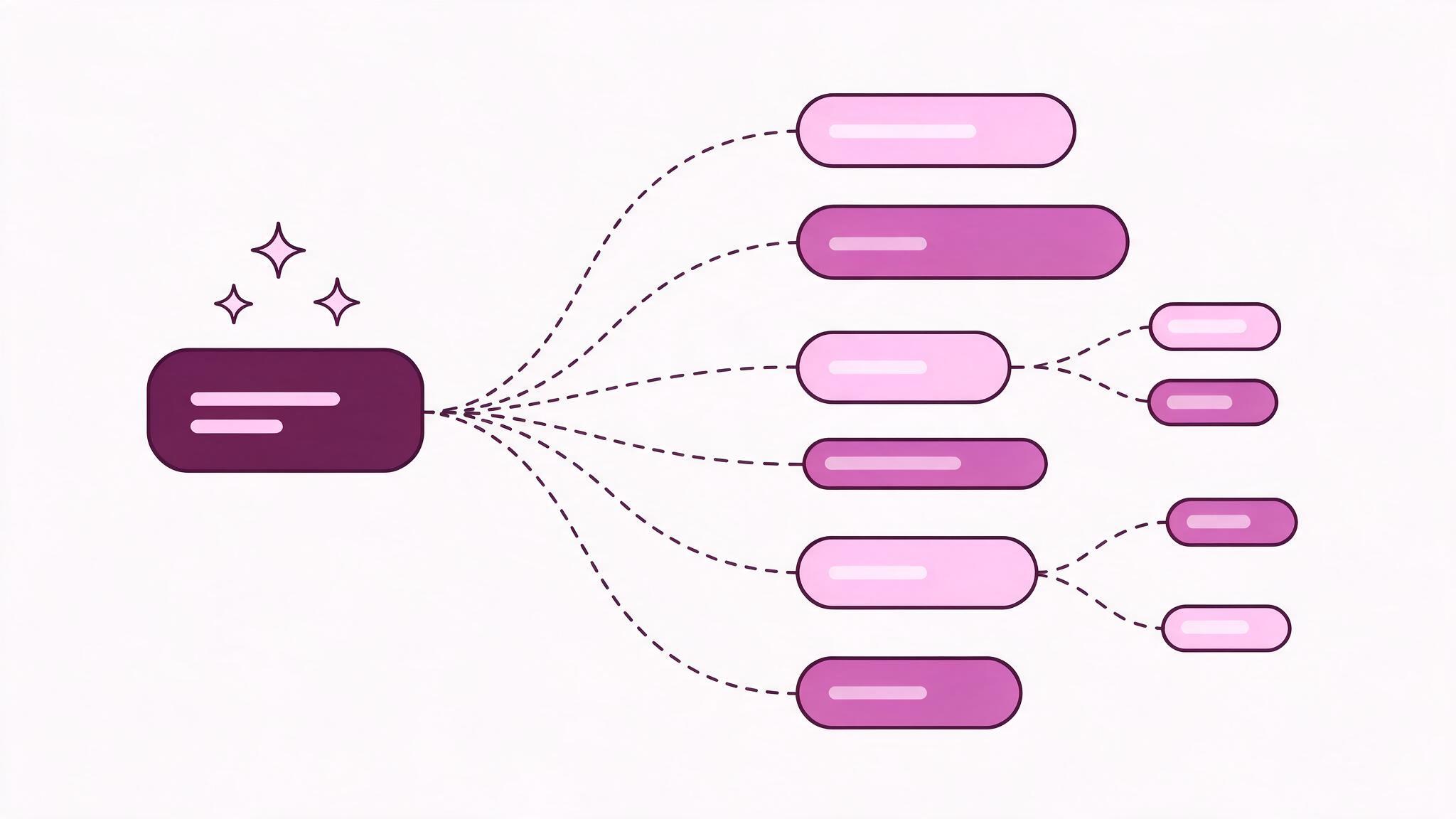
Instead of creating one message for a broad segment and hoping it fits, marketers can define the conditions that should lead to different experiences. A recent buyer can enter one journey. A high-intent prospect can enter another. A customer showing signs of disengagement can be treated differently again.
The CRM becomes more than a record of what the company knows about its customers.
It becomes the memory that allows the marketing department to act on what has already happened.
Marketing Operations Becomes a Core Function
Once campaigns depend on multiple AI systems, someone has to make sure those systems actually work together.
That is where marketing operations moves from a support role into the centre of the department.
Its job is to manage the infrastructure behind marketing: integrations, customer data, workflow logic, permissions, approvals and the rules connecting one system to another.
The problems it deals with are often invisible when everything works.
A campaign may fail because the wrong audience entered a workflow. An AI system may be working from outdated product information. A customer action may trigger the wrong message because two systems are using different definitions of the same segment.
These are no longer minor technical issues. They directly affect the customer experience and the money being spent on marketing.
The 2030 marketing operations team therefore owns something more important than software administration.
It makes sure the department's automated systems behave like one operation rather than a collection of disconnected tools.
Creative Direction Becomes More Valuable Than Production
If AI can produce a large number of assets, the creative team has a different problem to solve.
It has to decide what is worth producing in the first place.
The creative director in the 2030 department sets the central idea behind campaigns and makes sure that idea survives as it moves across formats. The role covers positioning, visual language, tone and the details that make the brand recognisable.
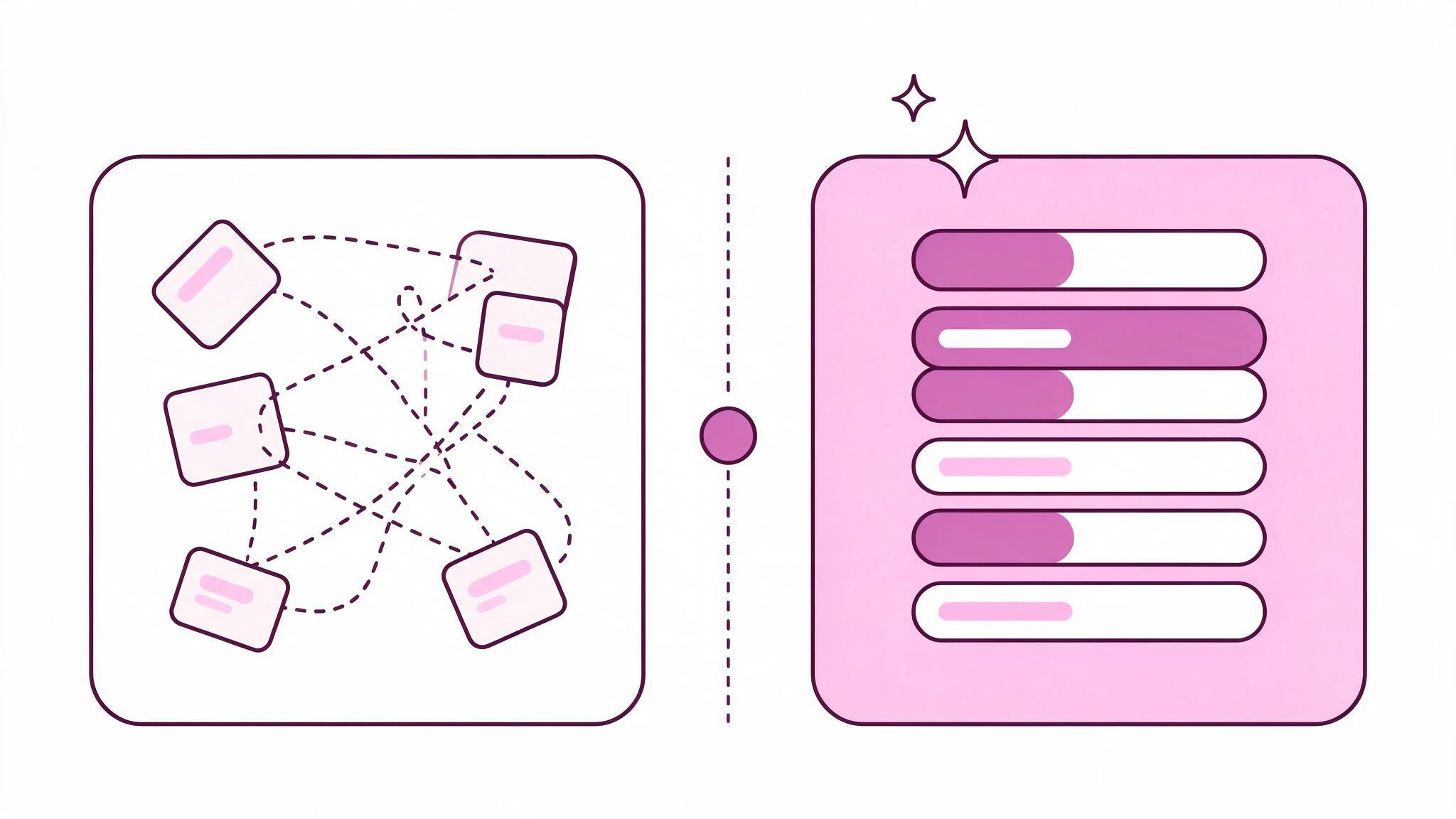
AI can generate ten versions of an advertisement in seconds. It can adapt a campaign for different audiences or turn a concept into different formats.
But producing ten versions does not make a campaign creative.
The creative team decides which idea deserves those ten versions, which differences are useful and where variation starts weakening the brand.
As production becomes easier, creative judgement becomes one of the department's main constraints — and one of its most valuable skills.

AI Operations Gives the Department a New Technical Skill
The 2030 marketing department needs someone who knows what happens inside its AI systems.
That role is different from traditional marketing technology management. It focuses on the instructions, data, permissions, workflows, and connections that determine how AI behaves inside the department.
If a model starts using outdated product information, someone needs to catch it. If an automated workflow produces poor leads, someone needs to trace the problem. If two systems interpret the same customer segment differently, someone has to resolve the conflict.
AI operations sits at that intersection between marketing and technology.
The role does not exist to make AI sound impressive. It exists to make it dependable enough to be part of everyday marketing work.
That means testing systems before they are given more responsibility, monitoring their performance and changing the underlying setup when the business changes.
The Marketing Manager Stops Managing Tasks
By 2030, the marketing manager has less reason to ask who completed a task and more reason to decide what the systems are allowed to do.
A campaign can be launched automatically. An advertising platform can adjust spending. A CRM can move customers between journeys. Content systems can prepare and distribute material.
The manager sets the boundaries around those actions.
Which decisions can happen without approval? What spending limit should trigger human review? Which customer communications require a person to sign off? What happens when two systems produce conflicting recommendations?
These are management decisions, but they are closer to governance than traditional task supervision.
The manager also has to change the rules when the business changes. A new product, market or pricing strategy can make an automated process wrong even when the process itself is working exactly as designed.
The job is therefore less about keeping people busy.
It is about deciding where automation has authority — and where it does not.
The Department Has Fewer Channel Specialists
The biggest organisational change may be what disappears from the org chart.
A 2030 marketing team is unlikely to need a separate full-time role for every channel simply because the company uses that channel. One person may oversee several areas with AI handling much of the routine execution within each.
That does not make channel knowledge irrelevant. It changes where that knowledge is used.
A social media specialist may spend less time scheduling individual posts and more time deciding how social fits a campaign. An SEO specialist may spend less time producing keyword briefs and more time identifying changes in search demand. An email specialist may focus on customer journeys rather than building every message manually.
Roles become broader because the work inside each channel becomes easier to scale.
The department can therefore cover more marketing activity without creating a new specialist position for every additional platform or workflow.
The CMO's Job Moves Up a Level
The CMO in this department is no longer spending most of their time coordinating specialists.
The important decisions sit further upstream: which markets to pursue, which customers matter most, how the brand should compete, where marketing should invest and which opportunities are worth pursuing.
The operational layer underneath those decisions can increasingly be handled by AI systems and specialised teams.
That gives the CMO a different kind of visibility. Instead of receiving separate updates from SEO, social, email, advertising and content, they can see how those activities contribute to the same commercial objectives.
The CMO also becomes responsible for deciding where the organisation should invest human attention.
Some problems need creative judgement. Some need customer research. Some need a change in strategy. Others can be left to automated systems.
That may be the biggest change in the role: the CMO spends less time managing the machinery and more time deciding where the machinery should take the business.
The Department Runs on Shared Context
The final piece of the 2030 department is not another role. It is the information those roles work from.
The campaign team needs to know what the content team is producing. The CRM needs to know what customers have already received. The advertising system needs current product and audience information. The creative team needs the same brand rules used by the systems generating campaign assets.
Without shared context, automation simply makes disconnected activity happen faster.
In the 2030 model, the department therefore needs a common layer of information that systems can access and update as work progresses.
That could include campaign objectives, customer segments, product information, brand guidelines, previous activity and performance data.
The important point is that AI does not create coordination by itself.
It becomes useful at the departmental level only when the systems have access to the same context and can act on it consistently.
The 2030 Department Does Not Need to Be Bigger
The finished department is not necessarily larger than today's marketing team.
It is more concentrated.
Fewer people spend their days moving information between platforms, preparing routine variations, or producing reports. More of the team's time goes into decisions that require context: choosing a market, defining a proposition, developing a campaign idea, interpreting customer behaviour and deciding what should happen next.
The structure could be surprisingly small.
A CMO sets direction. A campaign lead owns commercial outcomes. Creative and content shape the message. Customer and search specialists provide insight. Marketing operations and AI operations keep the systems working. Around them, AI handles much of the execution.
That does not mean every company will have exactly these roles.
The point of the 2030 model is different: the department is organised around responsibilities and outcomes rather than around the number of channels it operates.
The 2030 Marketing Department
The department AI designed is not a collection of autonomous tools replacing marketers.
It is a smaller, more connected operation where people set direction, make decisions and protect the brand, while AI systems handle much of the execution around them.
The core question is how differently a marketing department can be organised once execution is no longer the main constraint in 2030.
Written by
AI & SEO Content writer
Tetiana Reusche is an SEO Content Strategist and AI marketing specialist who specialises in creating content that helps businesses improve their online visibility and turn organic traffic into business growth. Her work combines search strategy, content marketing, and AI-driven optimisation to produce content that performs across search engines, answer engines, and modern AI-powered discovery platforms. Over the years, she has developed SEO strategies and content frameworks for companies in the SaaS, software, miltech, travel, real estate, home renovation, lifestyle, and entertainment industries. She enjoys translating complex topics into practical, engaging content that is valuable for both readers and search engines. Tetiana focuses on building topical authority through strategic keyword research, content planning, search intent analysis, and well-structured content ecosystems. She regularly creates keyword clusters, content recommendations, editorial roadmaps, and SEO strategies that help brands reach the right audience, strengthen their authority, and generate meaningful business results. Her articles explore SEO, AI-powered marketing, social media management, content strategy, and digital growth, with a practical focus on helping businesses create discoverable, useful content designed to convert.